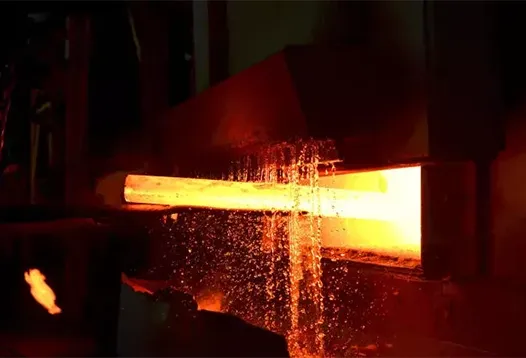
graphite plates for fuel cells
The Pivotal Role of graphite plates for fuel cells in Next-Generation Energy The global transition towards sustainable energy solutions has significantly accelerated the development of fuel cell technologies. As a core component, graphite plates for fuel cells are indispensable, serving as bipolar plates that manage reactant distribution, electron conduction, and heat management. Their unique combination of electrical conductivity, thermal stability, corrosion resistance, and mechanical strength makes them the material of choice for proton exchange membrane fuel cells (PEMFCs) and other advanced fuel cell designs. This comprehensive guide delves into the intricate world of graphite plates, exploring their manufacturing, technical specifications, diverse applications, and the critical factors driving their continued innovation. We aim to provide B2B decision-makers and engineers with a profound understanding of how these advanced materials are shaping the future of clean energy. Image: High-performance graphite plate designed for demanding fuel cell environments. Industry Trends and Market Outlook for Fuel Cell Graphite The global fuel cell market is projected to grow substantially, driven by increasing environmental regulations, the push for hydrogen infrastructure, and advancements in fuel cell efficiency. Market analysis indicates a CAGR of approximately 20-25% for the fuel cell sector over the next decade. This growth directly fuels the demand for high-quality components such as graphite plates for fuel cells. Key trends include: Hydrogen Economy Acceleration: Government policies and private investments are accelerating the development of hydrogen production, storage, and utilization infrastructure, directly boosting fuel cell adoption. Automotive Sector Integration: Major automotive manufacturers are investing heavily in hydrogen fuel cell electric vehicles (FCEVs), which rely on advanced bipolar plates for performance and longevity. Stationary Power Generation: Fuel cells are increasingly used for backup power, distributed generation, and uninterruptible power supplies (UPS) in various industries, from telecommunications to data centers. Advanced Materials Research: Continuous R&D focuses on improving graphite plate conductivity, reducing thickness, enhancing durability, and lowering manufacturing costs. The rising demand places a premium on suppliers capable of delivering high-precision, reliable graphite plates for fuel cells that meet stringent performance criteria and offer competitive total cost of ownership. Detailed Manufacturing Process of Graphite Plates for Fuel Cells The production of high-performance graphite plates for fuel cells is a sophisticated multi-stage process that demands precision engineering and stringent quality control. The ultimate goal is to achieve a material with optimal electrical conductivity, gas impermeability, mechanical strength, and corrosion resistance. Process Flow Overview: 1. Raw Material Selection High-purity petroleum coke or pitch coke, along with a coal tar pitch binder, are meticulously selected. The purity directly impacts the final product's electrical conductivity and corrosion resistance. For specialized applications like pyrolytic graphite plate, different deposition processes are used. 2. Mixing and Kneading Coke aggregate is crushed, milled, and then blended with the binder. This mixture is heated and kneaded to achieve a homogeneous paste, crucial for consistent mechanical and electrical properties. 3. Forming (Molding/Extrusion/Isostatic Pressing) The paste is formed into green bodies. Techniques include: Casting/Molding: For simpler shapes. Extrusion: For rods or blocks with a specific grain orientation. Isostatic Pressing: Yields highly uniform density and isotropic properties, often preferred for fuel cell applications to achieve a more consistent graphite surface plate. 4. Baking/Carbonization The green bodies are baked in a controlled atmosphere at temperatures up to 1000°C. During this stage, the binder carbonizes, forming a rigid carbon structure and releasing volatiles. 5. Graphitization Carbonized material is heated to extremely high temperatures (2500-3000°C) in a graphitization furnace. This process transforms the amorphous carbon into highly crystalline graphite, dramatically increasing electrical and thermal conductivity. 6. Machining (CNC) Post-graphitization, the blocks are precision machined using advanced CNC equipment. This creates intricate flow field patterns and achieves tight dimensional tolerances critical for fuel cell performance. Surfaces can be further refined to produce a superior graphite surface plate finish. 7. Impregnation & Coating (Optional) For enhanced impermeability and oxidation resistance, plates may undergo impregnation with resins or chemical vapor deposition (CVD) coatings. This step is critical for prolonging the service life of graphite plates for fuel cells in aggressive operating environments. 8. Quality Control & Testing Every batch undergoes rigorous testing, including density, porosity, electrical resistivity, flexural strength, thermal conductivity, and gas permeability tests. Adherence to standards like ISO 9001 and specific ASTM/ANSI standards ensures product consistency and reliability. Typical service life for high-grade graphite plates in PEMFCs can exceed 5,000-10,000 hours. Image: Precision CNC machining for intricate flow field designs on graphite plates. Technical Specifications and Performance Parameters The performance of graphite plates for fuel cells is defined by a specific set of technical parameters. Understanding these properties is crucial for optimal material selection and fuel cell design. Typical Specifications for Fuel Cell Grade Graphite Plates: Parameter Unit Typical Value Range Significance for Fuel Cells Density g/cm³ 1.80 - 1.95 Impacts weight and gas impermeability. Higher density usually means lower porosity. Electrical Resistivity (Across Plane) µΩ·m 5 - 20 Crucial for minimizing ohmic losses; affects power output. Lower is better. Thermal Conductivity (In-plane) W/m·K 80 - 180 Essential for efficient heat dissipation, preventing hot spots and degradation. Flexural Strength MPa 30 - 60 Indicates mechanical durability, resistance to cracking under stack pressure. Hardness (Shore D) - 60 - 80 Resistance to surface abrasion and deformation. Permeability (Helium) nPa·m²/s < 1 x 10 -10 Critical for preventing reactant gas crossover, ensuring fuel cell efficiency and safety. Ash Content ppm < 50 Lower ash content indicates higher purity, minimizing contamination and degradation. Operating Temperature Range °C -40 to 200 (PEMFC) Ensures stable performance across diverse environmental conditions. These parameters are meticulously controlled during the manufacturing process to guarantee that each graphite surface plate meets the rigorous demands of modern fuel cell applications. Image: Various sizes and designs of graphite plates, showcasing manufacturing precision. Technical Advantages of Advanced Graphite Plates The selection of graphite as the primary material for bipolar plates in fuel cells is driven by a unique suite of technical advantages: Exceptional Electrical Conductivity: Graphite exhibits high electrical conductivity, essential for efficient electron transfer from the anode to the cathode, minimizing ohmic losses and maximizing fuel cell output. Superior Corrosion Resistance: Fuel cell environments are highly corrosive due to acidic electrolytes and high operating temperatures. Graphite's inertness to these conditions ensures long-term stability and service life. Excellent Thermal Management: High thermal conductivity enables efficient heat dissipation, preventing localized hot spots that can degrade cell performance and longevity. This is critical for maintaining optimal operating temperatures. Mechanical Strength and Durability: Despite being lightweight, advanced graphite composites possess sufficient mechanical strength to withstand stack compression pressures without deformation or damage, contributing to a robust fuel cell design. Low Gas Permeability: Critical for preventing the mixing of reactant gases (hydrogen and oxygen), which would lead to efficiency loss and potential safety hazards. Impregnated or coated graphite plates for fuel cells significantly enhance gas barrier properties. Lightweight and Compact Design: Graphite allows for thinner and lighter bipolar plates compared to metallic alternatives, contributing to a more compact and power-dense fuel cell stack, crucial for automotive and portable applications. These advantages collectively contribute to the high efficiency, reliability, and extended service life characteristic of modern fuel cell systems, addressing critical requirements in target industries like automotive, stationary power, and portable electronics. Application Scenarios Across Diverse Industries The versatility and performance characteristics of graphite plates for fuel cells open up a broad spectrum of application scenarios, extending beyond traditional fuel cell uses. Primary Applications in Fuel Cell Technology: Proton Exchange Membrane Fuel Cells (PEMFCs): Widely used in automotive FCEVs, portable power, and backup power units. Graphite plates form the bipolar plates, directing hydrogen and oxygen flow and facilitating current collection. Phosphoric Acid Fuel Cells (PAFCs): Utilized in stationary power generation, these cells operate at higher temperatures and benefit from graphite's robust chemical resistance. Direct Methanol Fuel Cells (DMFCs): Often found in portable applications, DMFCs leverage graphite's properties for efficient methanol and air distribution. Related Industrial Applications and Target Industries: Electrolyzers: In the burgeoning hydrogen economy, graphite components are critical for electrolyzers (e.g., PEM electrolyzers) that produce green hydrogen, mirroring their role in fuel cells for efficient energy conversion. Flow Batteries: Graphite's conductivity and chemical resistance make it an excellent choice for electrodes and flow field plates in advanced energy storage systems like vanadium redox flow batteries. Heat Exchangers and Thermal Management: Due to superior thermal conductivity, advanced graphite (e.g., pyrolytic graphite plate) finds use in high-performance heat sinks and heat exchangers in chemical processing, aerospace, and electronics. Petrochemical Industry: Graphite's corrosion resistance makes it ideal for heat exchangers and process equipment handling aggressive chemicals. Metallurgy: Used in high-temperature furnaces and casting applications due to thermal shock resistance. Water Supply & Drainage: Specialized graphite components can be used in certain water treatment processes requiring inert materials. Image: Assembled fuel cell stack, highlighting the integral role of graphite bipolar plates. Vendor Comparison and Material Alternatives When sourcing graphite plates for fuel cells, it's essential to compare vendors based on material quality, manufacturing precision, customization capabilities, and after-sales support. While graphite remains dominant, other materials are also explored. Graphite Material Types Comparison: Feature Isotropic Graphite Pyrolytic Graphite (PG) Graphite Composite Manufacturing Isostatic pressing, graphitization Chemical Vapor Deposition (CVD) Molding graphite powder with resin binder Properties Uniform in all directions, good strength & conductivity Highly anisotropic (high in-plane conductivity, low through-plane) Lower conductivity than pure graphite, lighter, lower cost Density (g/cm³) 1.8-1.95 2.2 1.6-1.8 Electrical Resistivity (µΩ·m) 5-20 0.4-2 (in-plane), 200-500 (through-plane) 20-80 Thermal Conductivity (W/m·K) 80-180 ~1000 (in-plane), ~5 (through-plane) 50-100 Typical Use PEMFC bipolar plates, general electrodes High-end thermal management, specific flow battery applications Cost-sensitive fuel cell applications, less demanding environments Alternatives to Graphite for Bipolar Plates: While graphite holds a dominant position, research continues into alternative materials: Metallic Bipolar Plates: Stainless steel, titanium, and aluminum alloys can offer higher mechanical strength and easier manufacturing. However, they require corrosion-resistant coatings to prevent passive layer formation and dissolution, which can contaminate the membrane. Carbon Composites: Polymers reinforced with carbon fibers or graphite powders can offer lightweight and cost-effective solutions. Their main challenge lies in achieving sufficient electrical conductivity and gas impermeability without excessive thickness. Ultimately, the choice of material for graphite plates for fuel cells depends on the specific application's cost targets, performance requirements, and desired service life. Reputable vendors offer expert consultation to guide this selection. Customized Solutions and Engineering Support Recognizing that standard products may not always meet unique design constraints, leading manufacturers offer highly customized solutions for graphite plates for fuel cells. This includes: Tailored Dimensions and Thickness: Precision cutting and machining to exact specifications for specific fuel cell stack designs. Custom Flow Field Designs: Engineering optimized flow channels (serpentine, parallel, interdigitated) to enhance reactant distribution and water management for maximum performance. Material Composition Adjustments: Fine-tuning graphite purity, density, and binder content to optimize electrical, thermal, or mechanical properties for niche applications. Surface Treatments and Coatings: Applying specialized coatings (e.g., carbon-based, noble metal) to further reduce interfacial contact resistance, enhance corrosion resistance, or modify hydrophobicity/hydrophilicity. Prototyping and Small Batch Production: Supporting R&D efforts with rapid prototyping and small-scale production runs before transitioning to mass manufacturing. Comprehensive engineering support, from initial concept to final production, ensures that the optimal graphite surface plate solution is developed, rigorously tested, and delivered on time, meeting all performance benchmarks. Image: A collection of various custom-machined graphite components, showcasing precision and versatility. Application Case Studies & Customer Success Real-world implementations demonstrate the tangible benefits of high-quality graphite plates for fuel cells: Case Study 1: Automotive FCEV Enhancement A leading automotive OEM partnered with us to develop lightweight, high-performance bipolar plates for their next-generation FCEV platform. By utilizing our proprietary graphite surface plate material and optimizing flow field designs, we achieved a 15% reduction in stack weight and a 7% increase in power density. The enhanced corrosion resistance also contributed to a projected increase in vehicle lifespan by 20,000 km, surpassing industry benchmarks and receiving positive feedback on extended operational range. Case Study 2: Stationary Power Grid Reliability For a major telecommunications provider seeking robust backup power solutions, we supplied custom-machined graphite plates for fuel cells for a 50 kW stationary PEMFC system. The plates demonstrated exceptional durability in continuous operation for over 8,000 hours, far exceeding the client's initial 5,000-hour requirement. Our materials ensured consistent power output and minimal maintenance, leading to significant energy saving and enhanced grid stability for critical infrastructure. Case Study 3: Advanced Electrolyzer Development An R&D institute focused on green hydrogen production required high-purity pyrolytic graphite plate components for their advanced PEM electrolyzer project. Our specialized anisotropic graphite provided superior current distribution and thermal management, crucial for high-efficiency hydrogen generation. This collaboration enabled the institute to achieve a 90% hydrogen purity level and a 10% increase in energy conversion efficiency compared to their previous designs, supporting their research into scalable clean energy solutions. These examples underscore our commitment to delivering reliable, high-performance graphite solutions that empower our clients to achieve their most ambitious energy goals. Ensuring Quality, Reliability, and Trustworthiness Our commitment to excellence is deeply embedded in our operations, ensuring that every graphite plates for fuel cells product meets the highest standards of quality, reliability, and performance. Certifications and Authoritative Standards: ISO 9001 Certified: Our manufacturing facilities adhere to internationally recognized quality management system standards, ensuring consistent production and continuous improvement. Compliance with ASTM/ANSI Standards: All product testing and material specifications conform to relevant industry standards for graphite and carbon materials, guaranteeing verifiable performance. Long-standing Industry Presence: With over 15 years of experience in advanced carbon materials, we have established ourselves as a trusted partner to numerous global R&D institutions and commercial enterprises. Image: Quality control in action, inspecting graphite plate dimensions and surface integrity. Frequently Asked Questions (FAQ) Q: What is the typical lead time for custom graphite plates for fuel cells? A: Lead times vary based on complexity and order volume. For standard products, it's typically 2-4 weeks. For custom designs or large-scale projects, lead times can range from 6-12 weeks, including design, prototyping, and rigorous testing. We work closely with clients to meet project deadlines. Q: What warranty is offered on your graphite products? A: We offer a comprehensive warranty covering material defects and manufacturing faults for a period of 12-24 months, depending on the specific product line and application. Our commitment extends to ensuring product performance as per agreed specifications. Q: How do you ensure the purity of the graphite used? A: We source only high-purity raw materials and employ advanced graphitization techniques that achieve ash content typically below 50 ppm. Each batch undergoes elemental analysis (e.g., ICP-OES) to confirm purity before processing, crucial for fuel cell applications where impurities can poison catalysts. Q: Can you provide support for integration into existing fuel cell designs? A: Absolutely. Our team of experienced engineers offers comprehensive technical support, including design consultation, material selection guidance, and performance optimization for seamless integration of our graphite plates for fuel cells into your existing or new fuel cell architectures. Lead Time, Warranty, and After-Sales Support Lead Time & Fulfillment: Our streamlined production process and robust supply chain enable efficient order fulfillment. For standard graphite plates for fuel cells, we typically manage lead times of 2-4 weeks. Customized or large-volume orders may require 6-12 weeks, depending on design complexity and production queues. We maintain clear communication throughout the process, providing regular updates from order confirmation to shipment. Warranty Commitments: We stand behind the quality of our products with a comprehensive warranty. All graphite plates for fuel cells are warranted against manufacturing defects and material flaws for a period of 12 to 24 months from the date of purchase, assuming proper handling and application as per our guidelines. Specific warranty terms will be detailed in your purchase agreement. Customer Support & After-Sales Service: Our dedicated customer support team is available to assist you with any inquiries or technical challenges. From initial technical consultations and material selection to post-delivery support and troubleshooting, we ensure seamless collaboration. We provide expert guidance on installation, maintenance, and optimization to maximize the performance and longevity of your fuel cell systems. Contact us via phone, email, or our online portal for prompt assistance. References Lithium Battery and Fuel Cell Division, U.S. Department of Energy. "Fuel Cell Technologies Office: Multi-Year Research, Development, and Demonstration Plan." www.energy.gov International Energy Agency (IEA). "The Future of Hydrogen: Seizing Today's Opportunities." www.iea.org Journal of Power Sources. "Graphite bipolar plates for polymer electrolyte membrane fuel cells: A review." Materials Science and Engineering R: Reports. "A review of bipolar plates for proton exchange membrane fuel cells."